This is an excellent question! How do I price MVP? Pricing is a complex decision to make, especially in a startup world where you’re the first one in the market and you don’t have any established brand or customers. There will always be a certain sense of scepticism.
Table of Contents
Should You Price MVP or Go Free?
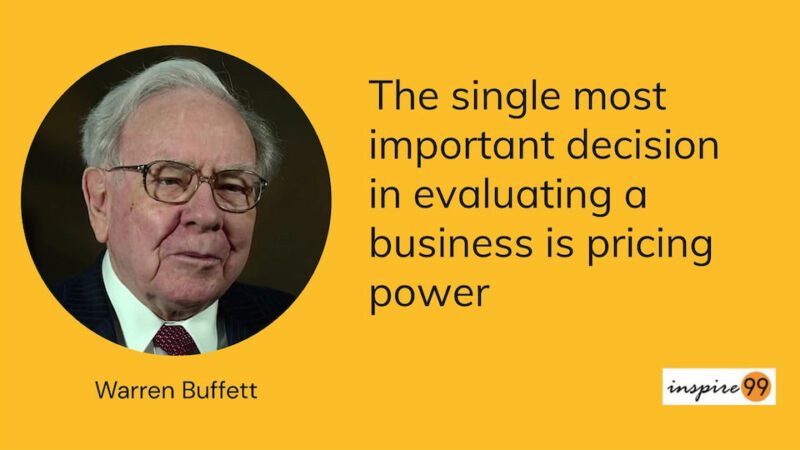
“The single most important decision in evaluating a business is pricing power.” — Warren Buffett
The first question is whether it is sensible to price your MVP or would you want to go the free product route. The free product route is expensive because obviously not everyone is paying for your product or service, but they still get a certain value out of it.
The key thing to remember is that your MVP must have a usable value or the user or customer will not consume your product. If you decide to go the MVP route and give a free product to the customer, be aware that there will be a natural split between the number of free users versus the number you convert into a paid user.
The B2C to B2B Opportunity
If you are attacking the business-to-consumer segment with a free user, this can be a great opportunity to attract a B2B initiative as well. These individual customers that have tried your product or service and found value in it can then suggest the same thing in their business in the open market.
What Is the Purpose of Your MVP?
The question is: what is the purpose of your MVP? Is it to test the market for validity of your idea or to ensure that you get a certain revenue?
Testing Market Validity
If your purpose is to test the market validity, then the MVP should be priced at a reasonable or low entry rate so that you get the most number of customers using it. These numbers can be used as a great data point to show your investors that your product or service idea has scale. This investment can be further used for developing the product/service.
The Challenge with Free MVPs
The natural or easy route is to provide the MVP for free, but it comes with a caveat that people who use the free service might not be your actual users. They might represent a proxy, so your investors and leadership might not read it seriously enough for the right reasons.
The Value of Paid MVPs
A true market representation is when customers take a certain initiative to show that they are serious about the product. And what better indicator compared to someone paying for the MVP? For this purpose, a paid MVP is much more valuable.
Based on this, it is up to you to decide whether you price your MVP. The good thing is that if you price your MVP, you will get an early cashflow which can be immensely valuable in your startup journey. This cashflow can help support additional product development. However, on the flip side, your waiting period is longer because it takes more time to convert someone into a paying customer. You will also need to think about the lead and lag times of the sales cycle. In a free adoption world, the barriers of entry are lesser.
Practical Steps for Pricing Your MVP
Let’s talk about the practical steps for pricing your MVP.
Cost-Based Pricing
As a startup, you can’t afford to do cost-based pricing. This is because you are not aware of all your costs at the start. You don’t have a good economy of scale to convince your suppliers. You don’t even know how many customers are interested in your product. Trying to define what the cost-based price should be can be a very difficult exercise. The easier route can be to do market-based pricing or competitive-based pricing.
Market-Based Pricing
The market-based pricing or competitor-based pricing is very interesting. It gives you certain easy answers as to where you can start the price and leverage some of the market research done by your competitors, since that information is publicly available. When you do market-based pricing, you are anchoring against your competitor, which might be a limitation because that naturally means that your customer will be comparing you to your competitor, which then becomes about why your product is better compared to your competition.
Value-Based Pricing
The simplest answer is value-based pricing. In this case, you price your MVP based on the value it is providing for the customer. You can define value based on the amount of time it is saving for the customer or a significant business advantage it provides compared to their competitors.
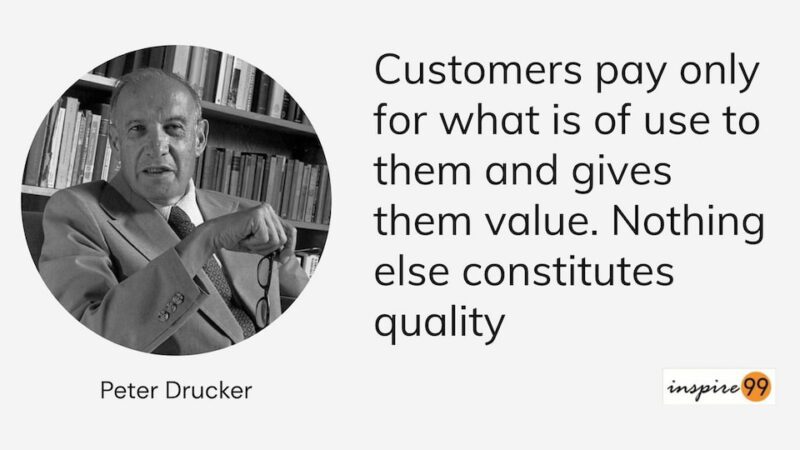
Value-based pricing is also easier to articulate and it doesn’t anchor against your competitors, giving you more freedom to price with a certain independence. This comes back to the idea of perceived user value of the product or service that you are offering. The perceived user value is a customer-centric thinking, allowing you to identify why or how the customer values your product or service.
Pro Tip: Brand Positioning and Pricing
One of the most important things I learned from doing my startup is to ensure that you anchor your price based on the brand positioning you want to achieve. A cheap product has a mass appeal versus a luxury product that has an exclusivity appeal. The bottom line comes back to the value-based pricing that you’re offering to the customer. Don’t forget your positioning because you might come across as opportunistic instead of an ethical business.
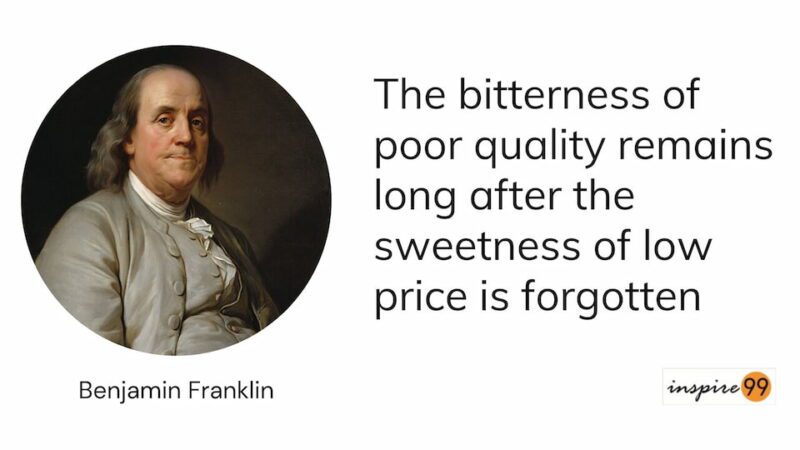
It’s also very difficult to increase price once you have set yourself a low benchmark. This was one of the biggest mistakes we made when I was running my startup. We priced too low and it was immensely difficult to raise prices from there.
Pricing for the Vision, Not Just the MVP
How do I price my MVP (minimum viable product)? This is a very important point. You will not be pricing something for the minimum value that you are providing. You are pricing for the future. The customer buying your MVP will not just be buying your MVP but the vision your product is offering.
Rewarding Early Adopters
If you are able to articulate a good vision and roadmap to back up that vision, then you can offer the MVP at a discounted rate for early customers. Getting an early customer is a very difficult task. They are taking a risk on you by paying for a product that’s not even ready. They are also buying a vision which has an uncertainty based on how other customers respond to it. This risk must be rewarded.
The good way to price your MVP is to think of your final product and offer a reasonable discount for initial customers. An example can be they get it at 50% cost for the first three years, whereas the rest of the customers get it for full price. This is recognition for your early adopters for their trust in you while you carry on building your product and convincing your investors that there is merit in further investing in your product idea or service.