
Starting a startup with no capital can feel like an impossible challenge. You’ve got the idea, the drive, and maybe even the prototype — but not the funds to bring it to life. The truth is, many great startups began exactly this way. The key lies in being strategic about how you fund your early journey.
Let’s look at the best ways to raise money (or get resources) when you’re starting up with little or no capital.
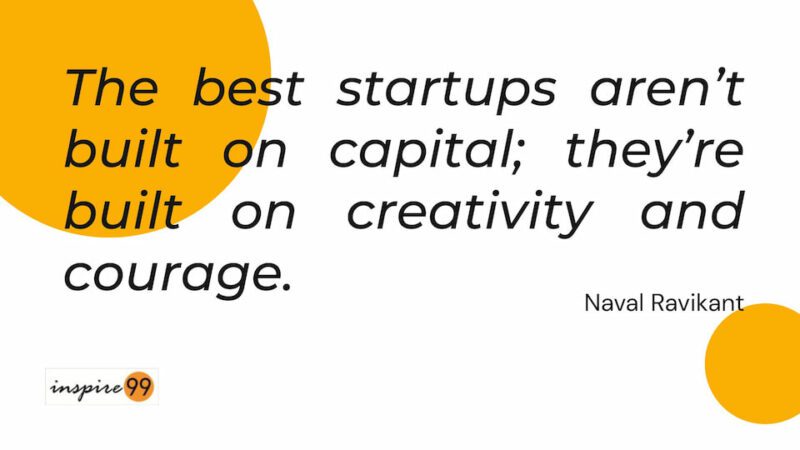
Table of Contents
How to Fund a Startup With No Capital
Here’s a brief summary on creating a startup with no capital. This is a difficult task but not impossible, some of the avenues to explore are:
- Start with accelerators and incubators for funding + mentorship.
- Apply for government and innovation grants — they’re equity-free.
- Use university incubators for small seed funding and support.
- Try crowdfunding with strong storytelling and pre-launch traction.
- Connect with angel investors through platforms and networks.
- Bootstrap through early customer revenue and creative hustling.
Join Startup Accelerators and Incubators
If you’re building a startup with no capital, accelerators and incubators are often the best launchpads.
These programmes not only provide initial funding but also mentorship, exposure, and connections that can help your business grow fast.
Most accelerators invest a small amount (usually in exchange for equity) and help refine your product, business model, and investor pitch. Look for ones that align with your industry — for example, a Cyber Accelerator for security startups or AgriTech accelerators for agricultural tech ventures.
Popular Accelerators and Incubators:
- Y Combinator
- Techstars
- T-Hub (India)
- Seedcamp
💡 “You don’t need money to start, you need resourcefulness.” — Unknown
Apply for Government and Innovation Grants
If you want to retain 100% ownership, grants are a fantastic way to fund your startup with no capital.
These non-dilutive funds don’t require giving up equity but do demand effort in application, paperwork, and compliance.
Many governments and innovation boards support early-stage startups working on tech, sustainability, and social impact.
Examples:
- Startup India Seed Fund Scheme (India)
- Innovate UK (United Kingdom)
- Small Business Innovation Research (SBIR – USA)
While competitive, winning a grant gives your business credibility and momentum.
💡 “The best startups aren’t built on capital; they’re built on creativity and courage.” — Naval Ravikant
Leverage University and Institutional Programmes
If you’re a student founder or alumnus, university entrepreneurship cells and incubators are worth exploring. (How spinouts work)
They often provide early grants, workspace, and networking opportunities to help you develop an MVP (Minimum Viable Product).
Some even partner with venture capital firms and government agencies — helping you move from an idea to a market-ready product.
Examples:
- IIT Startup Incubation Centres
- Oxford Foundry (UK)
- MIT Sandbox Innovation Fund (US)
These programmes are ideal for founders who have expertise but limited funding.
Explore Crowdfunding Platforms
Crowdfunding allows you to raise money from the public in exchange for rewards or early access to your product. It’s a great option if you have a compelling story, visual appeal, and a product that resonates emotionally with customers.
However, running a crowdfunding campaign isn’t as simple as launching a page — you’ll need marketing effort, video production, and pre-committed pledges to gain traction.
Top Crowdfunding Platforms:
- Kickstarter
- Indiegogo
- Seedrs
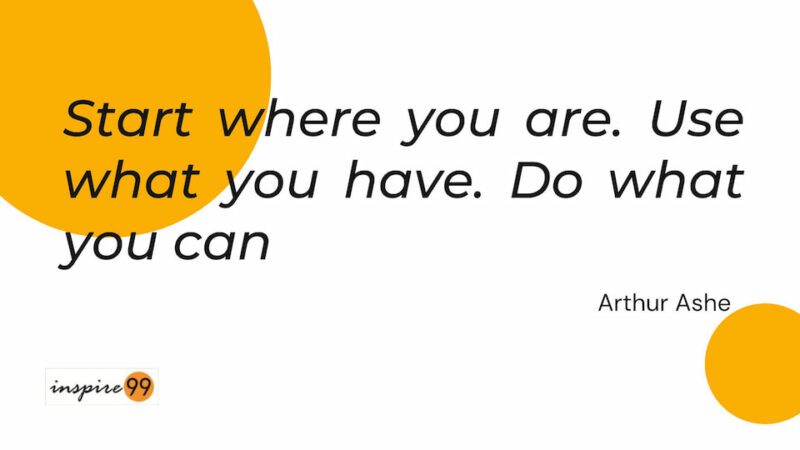
💡 “Start where you are. Use what you have. Do what you can.” — Arthur Ashe
Connect With Angel Investors and Startup Networks
Once you have an MVP or some customer validation, angel investors become a strong funding option.
They’re usually successful entrepreneurs or professionals who invest in early-stage startups for equity or convertible notes.
Networking events, demo days, and platforms like AngelList or Indian Angel Network are excellent places to start. Even if they don’t invest immediately, these conversations often open doors to partnerships or mentorship.
Pro Tip: Focus on showing traction — even small metrics like user sign-ups, pilot results, or prototype demos can make a huge difference.
Bootstrap Creatively — Fund Through Revenue
Not all startups need investors. Some of the most successful ones started by bootstrapping — using early revenue or side gigs to fund development.
Offer a consulting service, run workshops, or sell an early version of your product to paying customers.
It’s slower but incredibly empowering, and it keeps full control in your hands.
Launching a startup with no capital is tough — but far from impossible. What you lack in money, you can make up for in creativity, community, and execution.
Funding follows clarity. If your product solves a real problem, people — investors, customers, and mentors — will want to back it.
Remember, every successful founder once stood where you are — with just an idea and the will to make it real.