3 Types of Exit Strategy for a startup founder
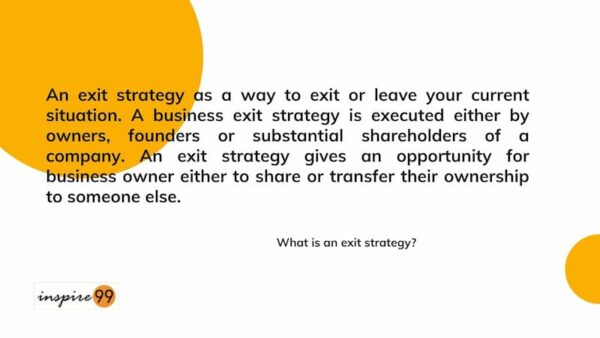
As an entrepreneur in early stages, an exit strategy was the last thing on my mind. However, my experience with fundraising has taught me that I’ll need to think about this as a part of my business plan

This was a perspective I missed during our fundraising activities. How much is really enough for a startup during its fundraising stages? I’ll admit that we never knew the right answer- sometimes it felt too much. At other times, it felt like we weren’t asking enough. The question is – where do we draw a line and say – this is what we need for a certain stage of the startup?
Good ideas are a bedrock of a startup. However, they’re only a necessary – not sufficient conditioning of running a good startup. We’ve seen plenty of material around how good ideas change the world. Although it is true, ideas alone don’t amount to anything.
This is a simple reminder from Cassey Ho, an entrepreneur, startup founder about focus on projections. Numbers are very exciting in a startup world, esp because you can see some quick changes. The results are often slow and painstaking, but just a reminder that it isn’t all about numbers.
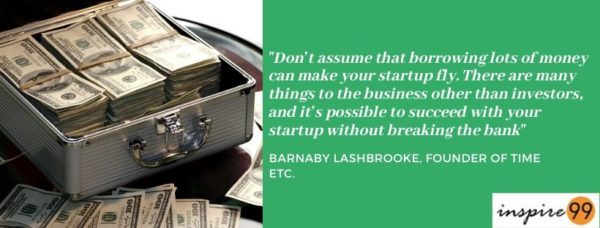
Don’t assume that borrowing lots of money can make your startup fly: We know that funding is one of the most common reasons why a startup fails. This quote however highlights that apart from funding, there are several other challenges that a founder should navigate through. Funding is only a part of the problem solved. It gives you an opportunity to expand, but you ought to reach some requirements such as product market fit, customer agreements etc to make this viable.